
Starting a Broker-Dealer? Here’s What Most Founders Underestimate
- July 13, 2026
- Posted by: admin
- Category: Broker Dealer
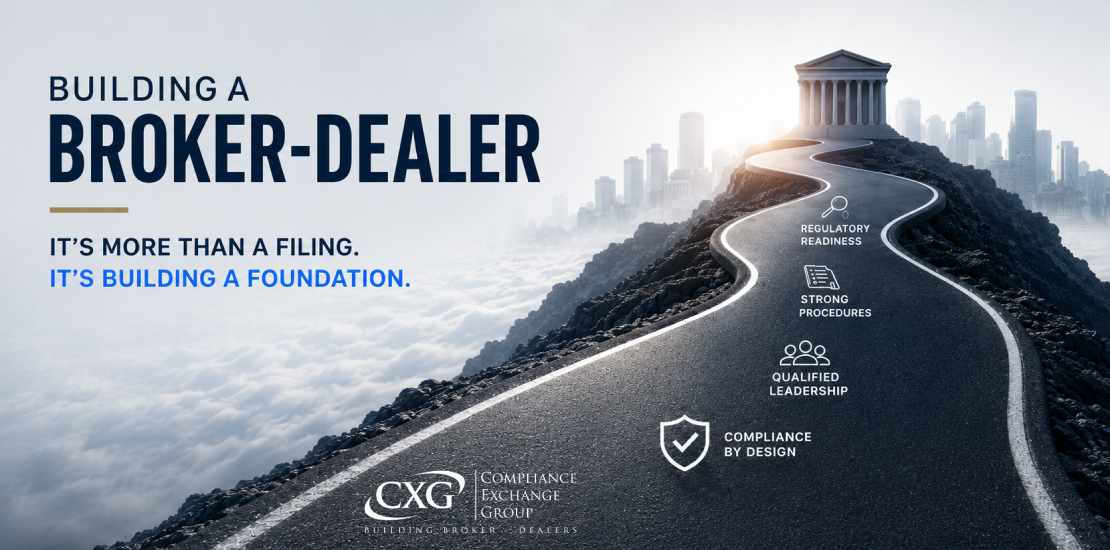
For many founders, the decision to launch a broker-dealer begins with a simple assumption: file the necessary paperwork, obtain approval, and start conducting business.
The reality is far more complex.
While Form BD is a required part of the registration process, becoming a FINRA-member broker-dealer involves much more than submitting an application. Founders are effectively building a regulated financial institution – one that must demonstrate operational readiness, supervisory controls, compliance infrastructure, and qualified leadership before approval is granted.
Unfortunately, many applicants underestimate the amount of planning required, leading to delays, deficiencies, and avoidable costs during the membership process.
Form BD Is Just the Beginning
A common misconception is that forming a broker-dealer is primarily a regulatory filing exercise.
In reality, regulators want to understand how the firm will operate on a day-to-day basis. Your business model, supervisory structure, compliance framework, financial controls, and personnel are all scrutinized during the application process.
Without this foundation, even a technically complete application can face significant challenges during review.
Qualified Principals Are Essential
Every broker-dealer must have appropriately registered principals responsible for supervising the firm’s activities.
This is often one of the first obstacles founders encounter.
Depending on the firm’s business model, regulators expect to see experienced individuals capable of overseeing operations, compliance, and supervisory functions. In many cases, founders discover they need to recruit qualified principals long before they are ready to launch.
Regulators evaluate not only whether principals meet registration requirements, but also whether they possess the experience necessary to supervise the firm’s proposed activities.
A strong supervisory team can significantly improve the credibility of an application.
Written Supervisory Procedures Cannot Be Generic
Written Supervisory Procedures (WSPs) are among the most important components of a broker-dealer application.
Many founders assume they can rely on a template and make minor edits. However, regulators expect WSPs to accurately reflect how the firm will conduct business and supervise its activities.
When procedures do not align with the firm’s actual business model, regulators often raise concerns during the review process.
AML Programs Require More Than a Policy Document
Every broker-dealer must maintain an Anti-Money Laundering (AML) program designed to identify and mitigate financial crime risks.
This includes more than simply adopting a written policy.
Regulators want to understand how these controls will function in practice, not just how they appear on paper.
Expect Detailed Regulatory Interviews
Many founders are surprised by the level of scrutiny involved in the FINRA membership interview process.
Applicants should be prepared to explain how the firm will operate, supervise risk, and remain compliant from day one.
The interview process is often where preparation – or the lack of it – becomes most apparent.
Building a Broker-Dealer Requires More Than Registration
Launching a broker-dealer involves much more than obtaining regulatory approval. Success requires building a sustainable compliance framework, assembling the right leadership team, and creating operational processes that can withstand regulatory scrutiny.
Founders who approach the process strategically are often better positioned to avoid delays, reduce costs, and move through the application process more efficiently.
At Compliance Exchange Group (CXG), we help firms navigate the complexities of broker-dealer formation, FINRA membership applications, compliance infrastructure development, and regulatory readiness so founders can focus on building their business with confidence.